- 1 Why Visit Thimphu?
- 2 1. Buddha Dordenma
- 3 2. Tashichho Dzong
- 4 3. National Memorial Chorten
- 5 4. Changangkha Lhakhang
- 6 5. Motithang Takin Preserve
- 7 6. Folk Heritage Museum
- 8 7. National Textile Museum
- 9 8. Centenary Farmers' Market
- 10 9. Bhutan Postal Museum
- 11 10. Simtokha Dzong
- 12 11. Dochula Pass
- 13 Best Things to Do in Thimphu
- 14 Best Time to Visit Thimphu
- 15 How to Reach Thimphu
- 16 Thimphu Travel Tips for Indian Travellers
- 17 Ready to Explore Thimphu?
- 18 Frequently Asked Questions
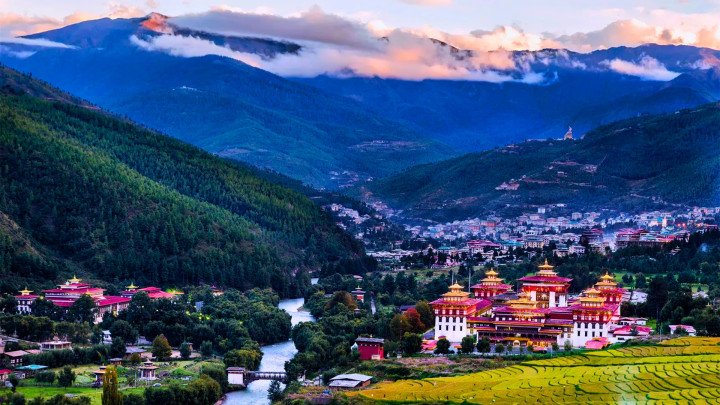
If you think Bhutan has only quiet monasteries, snow-covered mountains, and winding Himalayan roads, Thimphu might surprise you. Thimphu, the capital of Bhutan, has a different energy. It is peaceful without feeling sleepy, traditional without being stuck in the past, and modern without losing its Bhutanese identity. From the giant Buddha Dordenma overlooking the valley to centuries-old dzongs, colorful markets, and little monasteries tucked into the hills, there are plenty of places to visit in Thimphu.
And the best part? You don't necessarily need several days to experience its highlights. Whether you're planning your first Bhutan holiday, a family trip, honeymoon, or a longer Bhutan tour, this guide covers the best places to visit in Thimphu, Bhutan, along with things to do and practical tips to help you plan your stay.
Why Visit Thimphu?
Thimphu is Bhutan's capital and one of the most interesting stops on a western Bhutan itinerary. Unlike many busy Asian capitals, the city retains a relaxed Himalayan character. You can spend your morning visiting a Buddhist monument, stop for local food in the afternoon, explore traditional handicrafts, and end the day watching the mountains turn golden. Thimphu also makes a convenient base for exploring attractions around the valley, including Dochula Pass.
So, what should you actually see? Let's explore the top tourist places in Thimphu.
1. Buddha Dordenma
If there is one sight you should not miss in Thimphu, it is the magnificent Buddha Dordenma. Standing high above the city at Kuenselphodrang, the enormous golden Buddha statue has become one of the most recognizable symbols of Thimphu. The site also offers sweeping views across the valley, making it particularly rewarding for photographers. Inside the structure are thousands of smaller Buddha statues, adding another layer of spiritual significance to the monument.
Best for: Photography, spirituality, and panoramic views
Suggested time: 45-60 minutes
Tip: Visit around late afternoon if you want softer light and beautiful views over Thimphu.
2. Tashichho Dzong
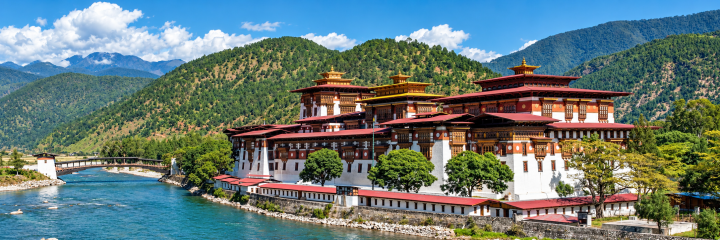
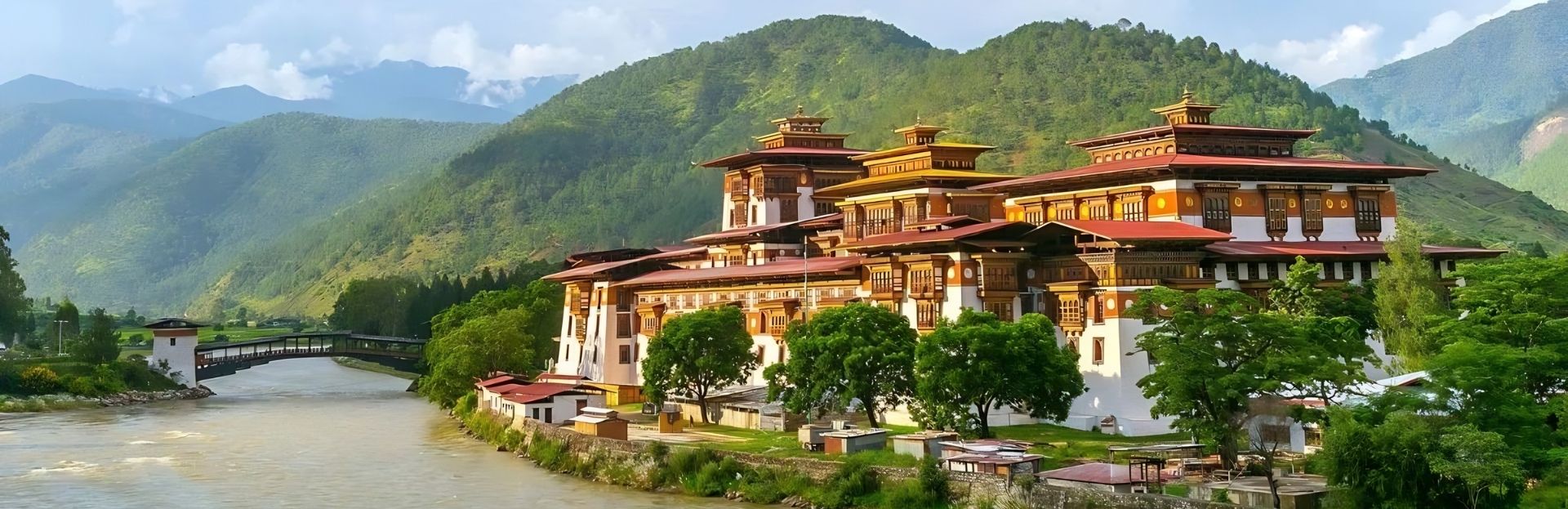
Architecture, history, and Bhutanese culture come together beautifully at Tashichho Dzong. Located beside the Wang Chhu River, this impressive fortress-monastery is an important administrative and religious center of Bhutan. Its whitewashed walls, traditional wooden details, and elaborate interiors showcase classic Bhutanese architecture.
The dzong is still connected with Bhutan's government and religious institutions, which makes visiting it different from exploring a historical monument that exists only for tourists.
If you're interested in Bhutanese history and architecture, keep this high on your list.
Best for: History, architecture, and culture
Suggested time: 1 hour
Entry arrangements can vary depending on government functions, ceremonies, and operating schedules, so check locally before visiting.
3. National Memorial Chorten
The National Memorial Chorten is one of the city's most visited religious landmarks and is located in the heart of Thimphu. The chorten was built in memory of Bhutan's third king, Jigme Dorji Wangchuck, and is surrounded by prayer wheels and is often visited by locals throughout the day. What makes this place special is that it doesn't feel like a sightseeing stop alone. You'll see people walking around the monument, turning prayer wheels and quietly going about their religious practices.
Take your time here rather than simply arriving, taking a photograph, and leaving.
Best for: Culture, spirituality, and local life
Suggested time: 30-45 minutes
4. Changangkha Lhakhang
Want to experience a quieter side of Thimphu? Head towards Changangkha Lhakhang, a historic hilltop temple overlooking the valley. The temple has strong cultural and religious importance, and its elevated position also gives visitors lovely views of Thimphu.
The atmosphere here is much more peaceful than the city's main attractions. It is an excellent place to slow down, observe local Buddhist traditions, and enjoy a different perspective of the capital.
Best for: Spiritual experiences and valley views
5. Motithang Takin Preserve
The Motithang Takin Preserve is something a little different, as it is home to Bhutan's national animal, the takin. This unusual-looking animal is closely associated with Bhutan and is certainly one of the more memorable things you'll encounter during your trip. The preserve gives travellers a chance to see these animals in a protected natural environment while learning a little about Bhutan's unique wildlife.
If you're travelling with children or simply enjoy wildlife, add this stop to your Thimphu sightseeing list.
Best for: Families, wildlife, and nature
6. Folk Heritage Museum
The Folk Heritage Museum offers a glimpse into Bhutan's traditional homes, lifestyle, tools, and culture. Rather than focusing only on royal or religious history, the museum helps you understand everyday Bhutanese life. It is a particularly good stop if you want your Thimphu holiday to be about more than photographs and sightseeing.
Best for: Culture, history, and families
7. National Textile Museum
Bhutan is famous for its beautiful textiles, intricate patterns, and traditional weaving techniques. At the National Textile Museum, you can learn about the craftsmanship behind Bhutanese textiles and understand why weaving remains such an important part of the country's cultural identity. For travellers who enjoy art, design, traditional clothing, or handicrafts, this can be one of the most rewarding cultural stops in Thimphu.
Best for: Art, culture, and shopping inspiration
8. Centenary Farmers' Market
Visit the Centenary Farmers' Market if you want to see Thimphu beyond its monuments. This is where the city feels more local and everyday. Depending on the day and season, you'll find fresh produce, local food products, handicrafts, and traditional items. It is also a nice opportunity to observe how locals shop and interact. Don't rush through it. Walk around, look at the produce, and soak in the atmosphere.
Best for: Local experiences, food, and photography
9. Bhutan Postal Museum
The Bhutan Postal Museum tells stories about Bhutan through stamps, photographs, and postal history. Bhutanese stamps are particularly fascinating because they reflect the country's culture, landscapes, and unique identity. You can also explore the idea of sending a postcard from Bhutan—a small souvenir that feels much more personal than another photograph on your phone.
Best for: History, collectors, and unusual experiences
10. Simtokha Dzong
Simtokha Dzong is located just outside the main city area and is an excellent addition to your Thimphu itinerary if you have extra time. It dates back to the early 17th century and is closely connected with the early history of Bhutan's fortified monasteries. Compared with the larger attractions, Simtokha offers a quieter experience and is particularly appealing to travelers interested in Bhutanese history.
Best for: History and architecture
11. Dochula Pass
Technically, Dochula Pass isn't inside Thimphu city, but it deserves a place on this list because it is one of the most popular excursions from Thimphu. Dochula is located on the road between Thimphu and Punakha and is famous for its 108 Druk Wangyal Chortens and spectacular Himalayan scenery on clear days. The drive itself is part of the experience.
If you're travelling from Thimphu towards Punakha, make sure your itinerary allows enough time to stop here, take photographs, and enjoy the mountain views.
Best for: Mountain views, photography, and road trips
Best Things to Do in Thimphu
Sightseeing is only part of the experience. While you're in the capital, make time to:
Explore Bhutanese handicrafts and textiles
Visit a local market
Try traditional Bhutanese cuisine
Walk through the quieter streets of central Thimphu
Visit Buddhist monasteries and chortens
Photograph traditional Bhutanese architecture
Explore local museums
Enjoy panoramic views from the hills around the city
Spend some relaxed time in cafés and local restaurants
The beauty of Thimphu is that you don't have to fill every hour with attractions. Sometimes, simply walking around and watching everyday Bhutanese life is the experience you'll remember most.
Best Time to Visit Thimphu
Thimphu can be visited throughout the year, but the best time depends on the type of experience you are looking for. Weather, road conditions, festivals, and outdoor activities can all influence your trip.
Spring (March to May): Spring brings pleasant temperatures, blooming flowers, and fresh greenery across the valley. It is a great season for sightseeing, photography, and exploring Thimphu’s monasteries, markets, and cultural attractions.
Summer/Monsoon (June to August): Thimphu receives more rainfall during the summer months. Cloudy skies and occasional showers can affect mountain views and road travel, but the surrounding valleys become lush and vibrant. The relatively quieter atmosphere can also appeal to travellers who prefer fewer crowds.
Autumn (September to November): Autumn is one of the most popular periods to visit Thimphu. The weather is generally comfortable, skies are clearer, and Himalayan views can be spectacular. It is particularly suitable for sightseeing, photography, and exploring nearby mountain routes.
Winter (December to February): Winter brings colder days and chilly nights, but the dry and crisp atmosphere can provide beautiful mountain views. Thimphu is generally quieter during this period, making it suitable for travellers who enjoy peaceful surroundings and a slower travel experience.
How to Reach Thimphu
Thimphu does not have its own airport. Most international travellers arrive through Paro International Airport and then travel by road to Thimphu. For Indian travellers entering Bhutan by land, Phuentsholing is a common gateway. Your route can then continue towards Thimphu, Punakha, and Paro. This is one reason a well-planned Bhutan tour package can make the journey easier: transport, accommodation, sightseeing, and itinerary planning can be arranged together instead of managing every transfer separately.
Thimphu Travel Tips for Indian Travellers
Planning a Bhutan trip from India?
Keep these points in mind:
Carry the required travel documents and check the latest entry requirements before departure.
Keep some local currency for smaller purchases.
Respect local customs when visiting monasteries and dzongs.
Dress modestly at religious sites.
Carry layers because temperatures can change quickly.
Keep comfortable shoes for sightseeing.
Don't rush your itinerary—Bhutan is best experienced slowly.
Check attraction timings before visiting, particularly religious and government-linked sites.
Entry rules, fees, and local regulations can change, so verify the latest requirements before your trip.
Ready to Explore Thimphu?
Thimphu isn't a city you need to rush through. Give yourself time to stand beneath the giant Buddha Dordenma, walk around a centuries-old dzong, turn a prayer wheel, browse a local market, and simply watch the mountains surrounding the valley.
And if you're planning a complete Bhutan holiday rather than visiting Thimphu alone, a thoughtfully designed itinerary can make the journey much easier.
Planning a Bhutan trip from India? Explore Tripjyada's Bhutan tour packages and find an itinerary covering Thimphu, Paro, Punakha, and other must-see destinations.
Your Bhutan story could start with Thimphu.
Frequently Asked Questions
What are the best places to visit in Thimphu?
Buddha Dordenma, Tashichho Dzong, National Memorial Chorten, Changangkha Lhakhang, Motithang Takin Preserve, and the city's cultural museums are among the top places to visit in Thimphu.
Is Thimphu worth visiting?
Absolutely. Thimphu combines Bhutanese culture, Buddhist heritage, architecture, markets, nature, and mountain scenery in one destination.
How many days are enough for Thimphu?
One full day is enough for the major highlights, but 2 days in Thimphu gives you a much more relaxed experience.
What is Thimphu famous for?
Thimphu is famous for Buddha Dordenma, Tashichho Dzong, Bhutanese Buddhist culture, traditional architecture, local markets, and its peaceful Himalayan setting.
Can I visit Thimphu and Paro on the same trip?
Yes. In fact, Thimphu and Paro are commonly combined with Punakha in a western Bhutan itinerary. TripJyada's Bhutan packages already include routes connecting destinations such as Thimphu, Punakha, and Paro.