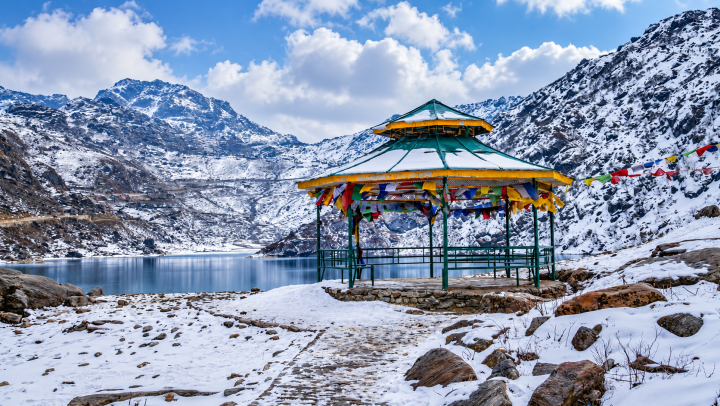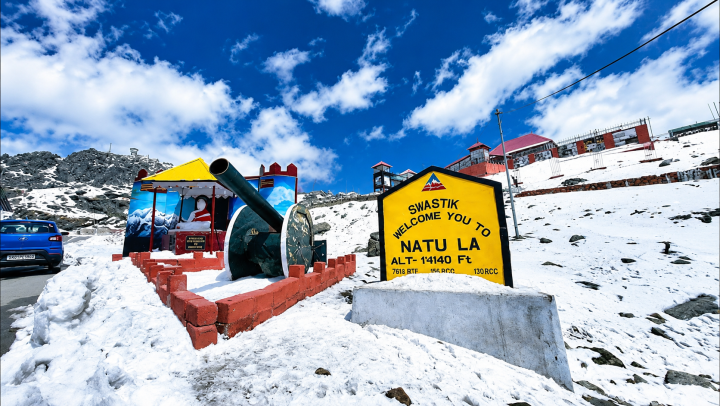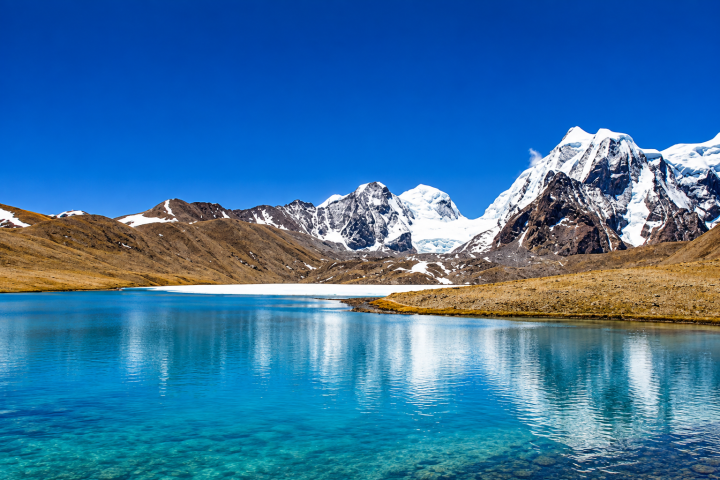
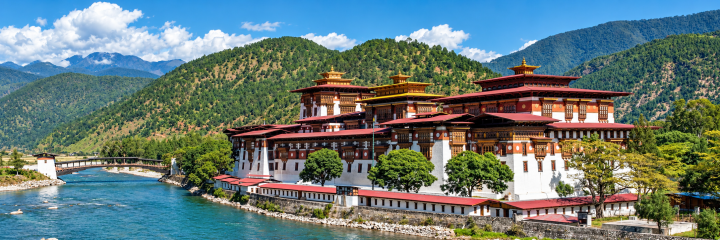
Bhutan is one of those places that slow you down without you knowing you are being slowed down. This tiny kingdom, nestled between India and China in the Eastern Himalayas, is known for dramatic mountain scenery, ancient monasteries, colourful festivals, tranquil valleys and a remarkably well-preserved culture.
But Bhutan is more than just pretty scenery. It has developed a unique model of tourism that values sustainability, cultural preservation and authentic experiences above mass tourism. Bhutan is often cited as the world’s first carbon-negative country, and more than 70% of the country is forested.
If you’re dreaming of hiking to the famous Tiger’s Nest, exploring Punakha Dzong, wandering around Thimphu, or simply enjoying a cup of tea while staring at the mountains, this Bhutan travel guide covers the essentials you need before planning your Bhutan trip, including the best Bhutan tourist places, things to do, travel tips, and practical information.
Why Go to Bhutan?
Bhutan is a different sort of place than most of the Himalayan destinations. Life moves at a slower pace here, and daily life, nature, and Buddhist traditions are closely connected.
The country is also well known for the concept of Gross National Happiness (GNH), which, alongside economic progress, prioritises wellbeing, cultural preservation, environmental conservation, and sustainable development.
For the traveller, this philosophy translates into an experience that feels peaceful and less commercialised.
Visit centuries-old dzongs, walk through pine forests, visit monasteries dramatically perched on mountainsides, and enjoy traditional Bhutanese food. And yes, there will probably be chilli involved. Bhutanese food isn't afraid of spice.
The Best Time to Visit Bhutan
Bhutan is a year-round destination, but the best time depends on what you want to experience. The country has four well-defined seasons, and altitude makes for great regional differences.
Spring and autumn are typically two of the most popular times to travel around Bhutan. Autumn is especially rewarding for mountain views and festivals, while spring brings colourful flowers to the Himalayan landscape.
The Indian monsoon can increase the summer wetness, particularly in the south. Winter is colder, but it can also bring clear skies and fewer people.
How to get to Bhutan
International visitors generally enter through Paro International Airport in Paro.
Bhutan's national airlines, Drukair and Bhutan Airlines, fly to several regional destinations from Paro, including cities in India, Nepal, Thailand, Bangladesh and Singapore.
Bhutan can also be accessed by land through designated border points for Indian travellers. Phuentsholing is one of the most used gateways for travel by land.
The experience is part of the journey. Bhutan's roads wind through mountains, forests and valleys, so don't expect every transfer to be a quick straight-line affair. The road in Bhutan may be short on the map but a lot longer in real life.
Bhutan Trip Cost from India
The Bhutan trip cost from India depends on how you travel, where you stay, the length of your trip, and the activities included in your itinerary. Indian travellers can enter Bhutan by air or through designated land entry points, while accommodation and transportation costs can vary considerably between budget and premium options.
How long to stay in Bhutan?
It will take you through the western highlights of Bhutan, including Paro, Thimphu, and Punakha (7-day Bhutan itinerary).
But 8-14 days give you more time to breathe and to discover places like Phobjikha Valley or Bumthang.
If you like hiking, culture, or photography, it’s worth spending more time in Bhutan. The country rewards slow travel, not racking up attractions at record speed.
7 Days Bhutan Tour Itinerary
Day 1: Arrival in Paro and sightseeing in the valley
Day 2: Tiger’s Nest Hike
Day 3: Transfer to Thimphu & Sightseeing in the capital
Day 4: Thimphu sightseeing.
Day 5: Drive to Punakha via Dochula Pass.
Day 6: Discover Punakha
Day 7: Return to Paro and Fly out
For a longer stay, include Phobjikha Valley or Bumthang.
Bhutan Places to Visit: Top Tourist Places to See
1. Paro
Those arriving by air will have their first stop at Paro, which is far more than an airport town.
Mountains ring the valley, and it is scattered with traditional Bhutanese buildings, monasteries and historic sites.
The main attraction is Paro Taktsang, also known as Tiger's Nest Monastery. Perched dramatically on a cliff, the monastery is one of the most recognisable landmarks in Bhutan.
The hike is challenging in parts, but the climb through the forest to get to the monastery is an unforgettable experience.
Paro is also a good place to explore traditional architecture, local markets, and historic temples.
2. Thimphu, Bhutan
Thimphu is the capital of Bhutan and has a surprisingly relaxed atmosphere for a national capital.
Visit Tashichho Dzong and explore the local markets and make your way to Buddha Dordenma, the huge Buddha statue overlooking the valley.
Thimphu also has museums, handicraft centers, cafes, and restaurants where you can sample Bhutanese food.
The city provides an interesting introduction to the country’s changing lifestyle, a mix of modern Bhutan and traditional culture.
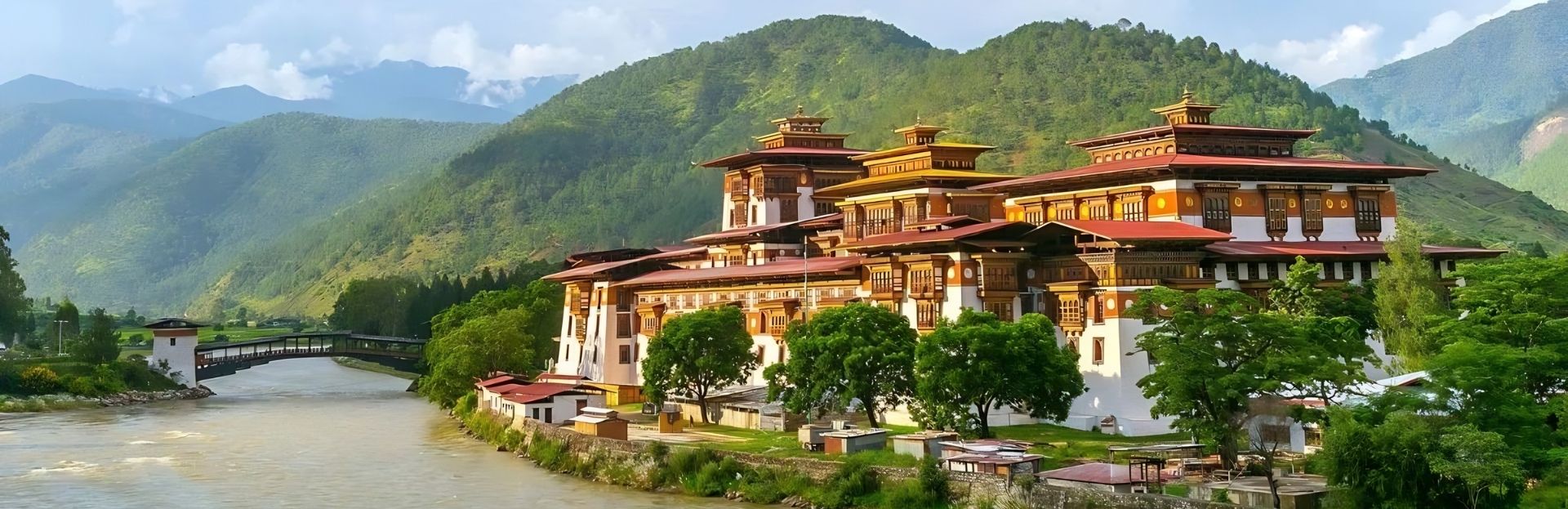
3. Punakha Dzong
Punakha is one of the most beautiful valleys in Bhutan, famous for its warmer climate and fertile landscapes.
The star attraction is Punakha Dzong, dramatically situated at the meeting point of the Mo Chhu and Pho Chhu rivers.
The dzong's architecture, the enclosing mountains and rivers, make it one of the most photographed landmarks in the country.
Travellers from Thimphu usually take the Dochula Pass, flanked by 108 memorial chortens, in front of a stunning Himalayan backdrop.
4. Phobjikha Valley
If nature and peaceful landscapes are your thing, include Phobjikha Valley in your itinerary.
This wide glacial valley is known for its stunning beauty and for the black-necked cranes that come here from the Tibetan Plateau to winter.
You can also experience rural life in Bhutan, walk through peaceful scenery, and visit Gangtey Monastery in the valley.
5. Bumthang
Bumthang in central Bhutan is considered to be one of the most sacred regions of the country.
The region has several valleys and has many temples and monasteries of great historical and religious value.
Bumthang is especially appealing to travellers who want to escape from the well-trodden paths of Bhutan’s famous western attractions and experience a quieter side of the country.
Things to Do in Bhutan
Bhutan is not a destination where you need an enormous checklist of things to do.
Some of the best experiences are:
Trek to Tiger's Nest Monastery.
Discover the ancient dzongs and monasteries.
Discover the markets and museums of Thimphu.
Cross the Dochula Pass.
Explore Punakha Dzong.
Trekking in Phobjikha Valley.
Experience a traditional Bhutanese festival.
Authentic Bhutanese food sample.
Experience the authentic hot-stone bath.
Trekking in the Himalayas.
Visit local craft workshops.
Take a shot at traditional Bhutanese archery.
Festivals in Bhutan are especially memorable. Keep an eye out for masked dances, music, and religious ceremonies such as the Paro Tsechu and Thimphu Tsechu. Festival dates are based on the lunar calendar and vary from year to year.
Bhutanese Food You Have To Try
Bhutanese food is hearty, warming, and unashamedly hot.
The country's best-known dish is ema datshi, a combination of chillies and cheese. If you think you can handle your spice, Bhutan may just politely test your confidence.
Other foods to try include:
Kewa datshi – potato with chilli and cheese.
Shakam paa – dried meat with radish and other ingredients.
Phaksha paa – pork with chilli and vegetables.
Red rice – A staple food in Bhutan.
Momos – steamed dumplings, a popular snack.
Suja – Bhutanese traditional butter tea.
Food preferences vary from region to region, so don't hesitate to ask your guide or restaurant about local specialities.
Customs and Traditions of Bhutan
Bhutan has a strong Buddhist cultural identity, and visitors should show respect when visiting monasteries, temples and dzongs (fortresses).
Cover up well when visiting religious sites and obey any local rules about taking photos.
Bhutanese culture still regards traditional dress as important. The gho is worn by men and the kira by women, particularly on formal occasions.
Bhutanese people are generally friendly and welcoming, but travellers should be aware that religious sites are places of worship and not tourist attractions.
A little respect goes a long way – and in Bhutan it will probably get you a smile too.
Is it Safe to Visit Bhutan?
Travelling to Bhutan is generally considered safe, but normal precautions should be taken.
The real challenge is often the terrain, not the crime. Mountain roads are often narrow and winding, and heavy rain can affect roads and trekking routes during the monsoon.
Other considerations are altitude. Some parts of Bhutan are at high elevations, so it’s important for travellers to hydrate, not rush, and give themselves time to acclimatise, especially before embarking on strenuous hikes.
It is wise to have travel insurance that covers medical emergencies, evacuation and trekking activities.
Getting around in Bhutan
The best way to travel around the valleys and towns of Bhutan is by road.
What appears to be a short distance on a map can take several hours to cover, because of the winding mountain roads. Luckily, the scenery makes the trip part of the adventure.
Transport: Depending on your itinerary, transport options include private vehicles, buses, domestic flights, and other services. The official Bhutan Travel portal also mentions options like mountain bikes, motorbikes, and helicopter services.
Where to Stay in Bhutan
Accommodation in Bhutan includes guesthouses, comfortable hotels, boutique and luxury properties.
Paro and Thimphu tend to have the most choices, and smaller valleys may have more traditional guesthouses and homestays.
For a full experience, stay in a locally run property, where you can enjoy traditional food and experience Bhutanese hospitality.
Plan Your Bhutan Travel Guide
If you are one of those people who want to scurry from one attraction to another and take 47 photos before breakfast, Bhutan is not the place for you.
A place of mountain drives, quiet monasteries, colourful prayer flags, traditional food, peaceful valleys and conversations that need not be hurried.
Bhutan is so much more than a sightseeing expedition, from the dramatic cliffs of Tiger’s Nest to the rivers of Punakha and the peaceful landscapes of Phobjikha.
Plan your trip according to the season, give yourself enough time between destinations, and respect the traditions and environment of the country. Most importantly, allow yourself to take it easy.
Because in Bhutan, a journey isn't simply part of a trip. It is the trip.
Spring from March to May and autumn from September to November are generally the most popular seasons. Spring offers blooming landscapes and pleasant trekking conditions, while autumn is known for clearer skies, festivals and Himalayan views. Bhutan is a year-round destination, but weather varies considerably with altitude.
The best places to visit in Bhutan include Paro, Thimphu, Punakha, Phobjikha Valley and Bumthang. Major attractions include Tiger’s Nest Monastery, Buddha Dordenma, Tashichho Dzong, Punakha Dzong, Dochula Pass and Gangtey Monastery.
A six- to seven-day trip is suitable for exploring the western highlights of Paro, Thimphu and Punakha. Travellers wishing to include Phobjikha Valley, Bumthang, longer treks or cultural experiences should consider staying for eight to fourteen days.
Indian nationals do not require a visa but must obtain an entry permit. Adults require a valid Indian passport or voter ID card. Travellers under 18 may use a passport or birth certificate and must be accompanied by a legal guardian.
The current Sustainable Development Fee for Indian nationals is ₹1,200 per person per night. Children aged six to under twelve pay ₹600 per night, while children below six are exempt. Travellers should reconfirm the fee before booking because government policies may change.
Yes. Current official guidance states that visitors must be accompanied by a certified local guide while travelling in Bhutan. A guide is also required for tourists entering through land borders and continuing beyond the designated border towns.