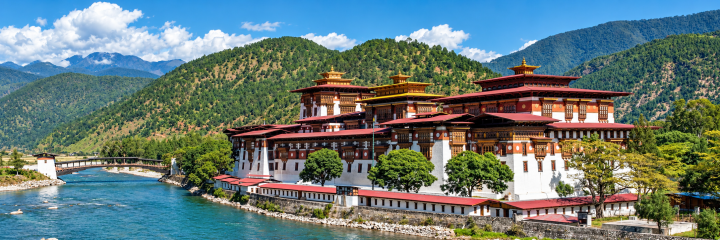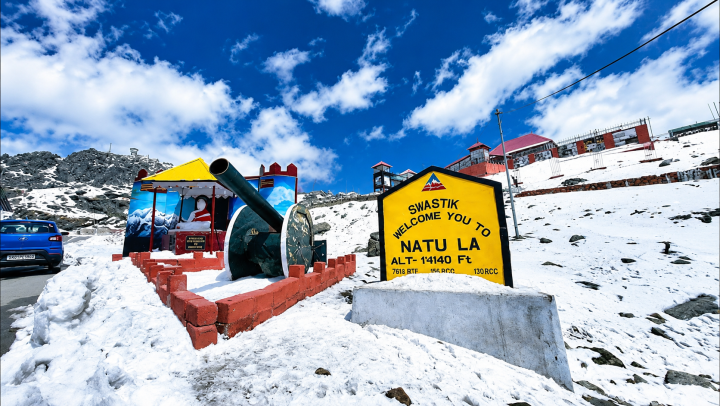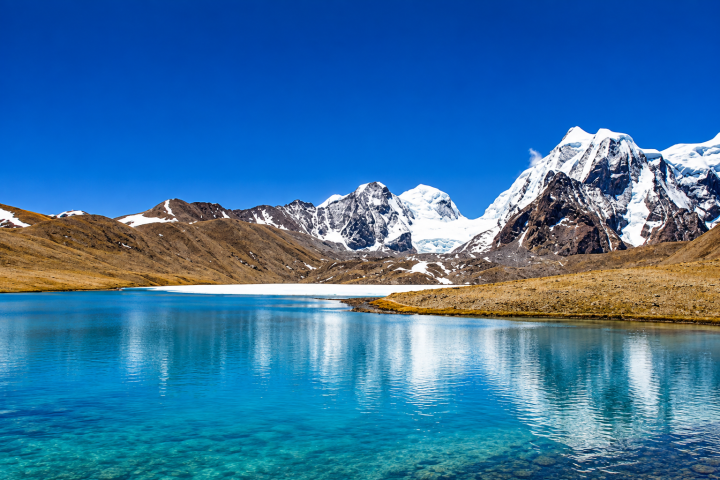
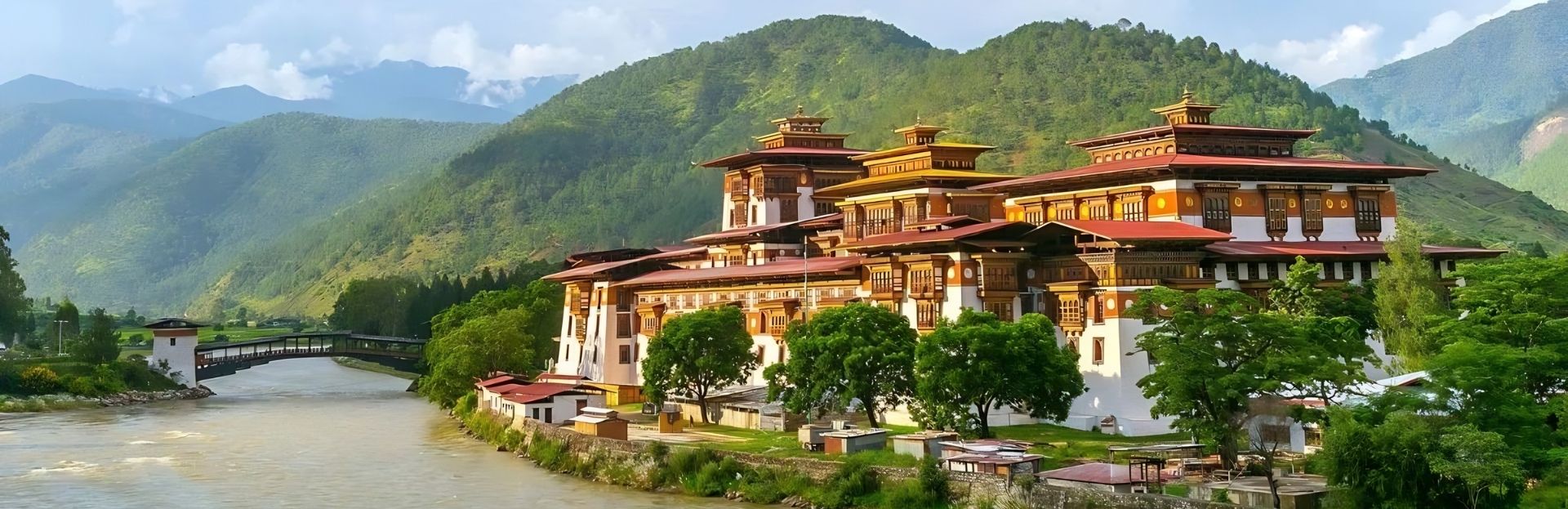
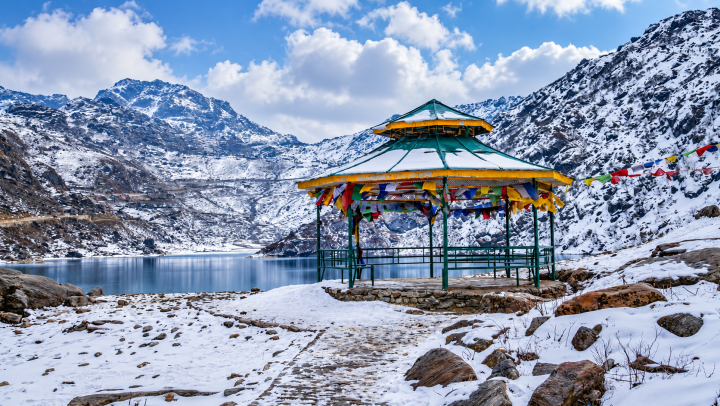
Travelling through the winding roads of the Himalayas, watching the country change from green mountain slopes to rocky and snow-covered terrain, and then, all of a sudden, coming across a sparkling blue lake resting peacefully in the midst of mountains. Here is Tsomgo Lake, one of the most beautiful natural attractions of Sikkim.
Also known as Changu Lake Sikkim or Tsangmo Lake, this is a glacial lake in East Sikkim located at an elevation of about 12,400 ft (3,780 m). Lake Tsomgo is some 38 km from Gangtok and is usually included in a Gangtok sightseeing tour, generally along with Baba Harbhajan Singh Memorial and the permitted Nathula Pass.
The Lake is not just a pretty photo. It is sacred to the local people, surrounded by interesting legends, and changes its appearance with the seasons dramatically.
Going somewhere? Everything you need to know about visiting Lake Tsomgo, including the best time to visit, how to reach it, permits, things to do, nearby attractions, and useful travel tips.
Tsomgo Lake in Brief
Where is Lake Tsomgo situated?
Lake Tsomgo is located in the high altitude region of East Sikkim, en route to Nathula Pass. Dramatic Himalayan scenery of steep mountain slopes, winding roads, and changing vegetation is between Gangtok and the lake.
The lake is located at an altitude of about 12,400 feet above sea level, which is much higher than Gangtok. This means that the journey is not only about the distance; the altitude is also part of the experience.
The name Tsomgo originates from the Bhutia language and is commonly known to mean the “source of the lake”. The lake is mainly fed by snowmelt and the slopes of the mountains around it.
And yeah, the road is winding all over the place. If you're prone to motion sickness, now is a good time to remind yourself that looking at your phone as you navigate Himalayan bends is probably not the best life decision you will ever make.
What's so special about Tsomgo Lake?
Lake Tsomgo is known for its scenic beauty, mountains, changing colour, and seasonal presence.
The lake may be frozen in the winter, and the surrounding landscape may be covered with snow. The scenery becomes more colourful in spring and early summer, with the emergence of alpine vegetation and flowers in the region.
The lake also holds cultural importance. The river's waters are linked to traditional beliefs and folklore and are considered sacred by the local communities.
The local legend says that Buddhist spiritual practitioners would read the colour and appearance of the lake to discern signs of things to come. Tsomgo is full of character, whether you are here for the scenery, the spirituality, or just to see a Himalayan lake up close.
Best Time to Visit Tsomgo Lake
The best time to visit Lake Tsomgo depends on what you want to see.
March – May
Spring breathes new life into the scenery. Snow may still be hanging on in the higher elevations, but the surrounding areas begin to show more colour.
It is a good time of year for the traveller who seeks relatively pleasant conditions, along with beautiful mountain scenery.
May-June
Later spring and early summer may offer clearer views and colourful surrounds. But weather can change quickly at altitude, and it is still important to take warm clothes.
July-September
Monsoon season isn’t usually a good time to visit high altitude areas of Sikkim. Heavy rain can cause landslides and make the roads slippery, which could affect travel plans.
If you are travelling in monsoon season, check the road and weather conditions before your trip.
October to February
Lake Tsomgo in winter has its dramatic snowy look.
The lake can be ice-covered, and the countryside around can be snow-covered. If you dream of seeing a frozen lake in the Himalayas, winter can be an unforgettable experience.
But temperatures can be very cold, and access can be affected by weather or road conditions.
Tip: There is no such thing as a “perfect” month for everyone. Spring is good for colourful scenery, autumn for clearer mountain views, and winter for the full snowy experience of the Himalayas.
How to Reach Tsomgo Lake
The road from Gangtok is the best way to reach Lake Tsomgo.
From Gangtok, Sikkim
Lake Tsomgo is about 38 km from Gangtok. The journey is on the Gangtok-Nathula route and has winding mountain roads.
The area is controlled, and permits are required. Visitors usually come in approved vehicles organised by local tour operators.
The drive can take a few hours depending on road conditions, weather, traffic, and stops along the way.
From Bagdogra Airport 1
Bagdogra Airport in West Bengal is one of the main airports used by travellers visiting Sikkim.
Usually, tourists go to Gangtok via Bagdogra and take a day trip to Lake Tsomgo.
Railway Station - NJP
Another important railway station through which most of the trains arrive is New Jalpaiguri (NJP).
A typical itinerary might be:
Gangtok to Tsomgo Lake via NJP
It’s better to stay overnight at Gurudamba, at the Lake in Gangtok, before going to Lake Tsomgo, as you will find it is more comfortable.
Tsomgo Lake Permit Important Information
Lake Tsomgo is a protected area, and therefore, a permit is necessary to visit the lake.
Indian travellers usually arrange the permit through an authorised or registered travel agency. Carry valid identity proofs and passport-size photographs as per the present permit process.
It's important to check the latest regulations before you travel, as visitors from abroad have different permit rules and requirements.
Permit rules can change, especially for protected and border area destinations. So don’t rely on an old blog post or five-year-old travel reel to plan your trip.
Usually, your tour operator will help you get the required documentation.
Things to do in Tsomgo Lake
1. Gaze at the lake
Taking some time to appreciate the lake is one of the best and easiest things to do.
Tsomgo can be turquoise, deep blue, or half-frozen, depending on the season and weather. The setting is just as dramatic, with mountains all around.
2. Ride a Yak
At Lake Tsomgo, one of the things you can do is ride a Yak.
The animals have traditional significance for Himalayan communities, and the area offers tourists the chance to ride decorated yaks.
Congratulations! If you have never ridden a yak, you have a perfectly good reason to go home with a most unusual story to tell.
3. Fun in the Snow
If you visit in the colder months and the conditions are right, you may see snow around the lake.
The snow-capped mountains, the frozen water, and the crisp Himalayan air create an altogether different atmosphere than the greener landscapes found elsewhere in Sikkim.
4. Picture
Lake Tsomgo is a naturally photogenic place, and the scenery changes during the day.
In the morning light, the water can be a beautiful mirror, and the snow-covered environment in winter gives great contrast.
Just remember that the weather can change quickly. Your camera is set to take the perfect picture. The clouds have other designs.
5. Eat at the local food stall
In the tourist area, you will see small food stalls selling warm snacks and drinks.
At this height, a hot cup of tea or a bowl of something warm can be especially rewarding.
Things to do around Tsomgo Lake
Lake at the Tsomgo is usually included in an East Sikkim trip along with other attractions.
Nathu La Pass
Nathula Pass is one of the popular destinations on the same route. The pass is at a much higher altitude and is on the old trade route between India and Tibet.
However, a visit to Nathula is subject to other permissions and government regulations, weather, and road conditions. Nathula is not accessible to foreigners.
Baba Harbhajan Singh Memorial
Baba Harbhajan Singh Memorial is another popular destination in the East Sikkim circuit.
This site is dedicated to Indian Army soldier Harbhajan Singh and is associated with stories and beliefs about his service and legacy.
Many travellers club Tsomgo Lake, Baba Mandir and Nathula Pass for a one-day trip, depending on permits and operational conditions.
Tsomgo Lake Tour Programme
If you are planning for a simple Tsomgo Lake itinerary, you can plan your day as follows:
The Tsomgo Lake to Gangtok return journey usually takes a few hours, depending on traffic, weather, road conditions, and stops along the way. Be willing to change your itinerary. Mountain travel isn’t always on the clock, and road conditions can change without notice.
Tsomgo Lake: Best Places to Stay
Tourists can stay in Gangtok and travel to Lake at the Tsomgo and other attractions from there, as there are very few places to stay around Lake at the Tsomgo.
Gangtok has a large number of hotels, guesthouses, and homestays at all prices.
Staying in Gangtok gives you a chance to explore other attractions of the city before or after your visit to Tsomgo Lake.
Unless a specific place to stay is open for business and is suitable for the season, most travellers have little reason to search for a hotel right on the lake.
Useful Tips for visiting Tsomgo Lake
Tsomgo Lake is at a high altitude, so you need to prepare yourself well.
Pack warm layers even if Gangtok seems comfortable.
Shoes should be comfortable and offer a good grip.
Bring sunglasses and sunscreen; the sun is very strong at high altitude.
Don't run around and drink lots of water.
Let your body get used to the altitude.
If you have a bad headache, feel sick, dizzy, have trouble breathing, or have other worrying symptoms, tell your driver or guide and get medical help. If your doctor has prescribed medication, take it.
Bring some snacks.
Bring your valid ID and required permit documents.
Follow directions from local authorities and security personnel.
Do not litter around the lake.
Do not disturb the wildlife or harm the surrounding vegetation.
Check road and weather conditions before leaving from Gangtok.
Most importantly, do not underestimate the altitude just because the Lake is reachable by car. You don’t need to hike to high altitudes to experience altitude-related discomfort.
Is it worth visiting Tsomgo Lake?
Certainly.
The incredible Lake is one of those places where the journey is as memorable as the destination. The changing landscapes, the winding mountain roads, the snow-capped peaks, and the peaceful lake form an experience that is distinctly Himalayan.
Its natural beauty, cultural importance, and proximity to other East Sikkim tourist attractions make it a good addition to a Sikkim itinerary.
Tsomgo offers a very different perspective of Sikkim, whether you visit when the lake is snowbound or when the surrounding landscape is ablaze with colour.
Tsomgo Lake in Sikkim should be on your itinerary
A trip to the Lake is not just another tick on your Sikkim checklist. It’s about watching the mountains change as you go higher, about experiencing the dramatic Himalayan landscape and being next to a lake that has been of cultural importance for generations.
Plan your permits, dress for the altitude, keep your itinerary flexible, and allow enough time to enjoy the journey.
And when you finally reach the lake, pause for a moment before you bring out your camera. The mountains existed long before Instagram.
Tsomgo Lake, also called Changu Lake, is a high-altitude glacial lake in East Sikkim. It is located approximately 38 kilometres from Gangtok at an elevation of around 12,400 feet.
March to May is suitable for pleasant weather and colourful mountain scenery, while October to February is popular for snow and the possibility of seeing the lake partially or completely frozen. Access always depends on current weather and road conditions.
Yes. Tsomgo Lake is situated in a protected area, so visitors require a valid permit. Indian travellers usually arrange it through an authorised travel agency, while requirements for foreign nationals differ. Confirm the latest regulations before travelling.
Tsomgo Lake is accessible by road from Gangtok through approved vehicles arranged by registered tour operators. The mountain journey takes a few hours, depending on traffic, weather, permit checks and road conditions.
Visitors can admire the glacial lake, enjoy seasonal snow, take photographs, explore the surrounding Himalayan scenery, try local snacks and experience a yak ride where available. All activities depend on weather and local operating conditions.
Yes. These attractions are commonly included in a full-day East Sikkim excursion from Gangtok. However, Nathula Pass requires separate permission, and every visit remains subject to permit approval, weather, road conditions and government instructions.