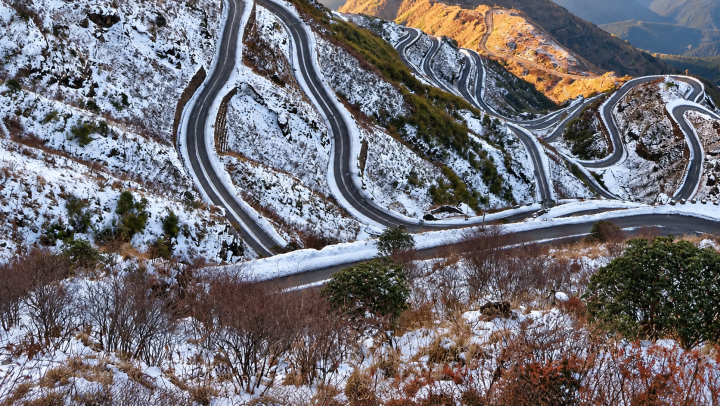
Zuluk Sikkim is a little Himalayan community located high up in the East Sikkim highlands, and it offers something that many prominent places do not: a truly quirky mountain experience. Zuluk is about 10,000 feet high and is surrounded by lush forests, steep mountain roads, and stunning views of the eastern Himalayas.
What makes Zuluk interesting is its association with the historic Silk Route. The settlement was an important halt on the historic commerce route between Tibet and India. Today, travellers visit here for the winding mountain roads, serene landscapes, sunrise vistas, and the opportunity to experience rural life away from major tourist areas.
And sure, the famed route has so many turns you may at times be left wondering whether your driver has forgotten where he is headed. But don’t worry, they haven’t!
Zuluk at a Glance
Why Go to Zuluk?
Zuluk is not the place you arrive with a checklist of ten retail centres, five cafés and a nightlife plan. Instead, it is the scenery itself that is the draw.
The town is bordered by Himalayan trees and, on clear days, gives wonderful views of the Kanchenjunga mountain. The drive up to the higher vistas is one of the most remarkable sections of the adventure, with many steep switchbacks cut into the side of the mountain.
For those looking for a quieter side of Sikkim, Zuluk is also a good option. The settlement is inhabited by a few people and has a rather tranquil atmosphere. Wake up to the view of the mountains, enjoy a delicious local breakfast, and spend the day exploring the overlooks and other attractions.
The experience is made more interesting by its historic link with the Old Silk Route. Once utilised by traders moving between Tibet and India, the path gave the surrounding region a fascinating cultural and historical flavour.
Zuluk Silk Route Sikkim – A Memorable Journey
The Zuluk Silk Route Sikkim experience is more than merely travelling on a gorgeous mountain road. It leads you through a historic corridor that was previously linked with trade between Tibet and India.
The trail runs through high-altitude scenery, historic settlements, and dramatic vistas. One of its most famous characteristics is the set of hairpin curves near Zuluk, often known as the Zuluk loops.
Thambi View Point is one of the most popular sites, situated at a greater altitude than Zuluk, and is famed for dawn. On a clear morning, visitors get to see the Himalayan mountains, including Kanchenjunga, in a 360-degree perspective.
Depending upon the route and permits, the journey can also visit places such as Lungthung, Tukla, Nathang Valley, Old Baba Mandir, and Kupup.
Top Places to Visit Around Zuluk
Thambi View Point: Watch the Himalayan Sunrise
If you are going to get up early for anything in Zuluk, make it the sunrise at Thambi View Point.
The viewpoint, at an altitude of approximately 11,200 feet, offers panoramic views of the eastern Himalayas. The colour of the scenery varies gradually as the sun highlights the summits of the mountains, and it is a favourite haunt of photographers.
The road to Thambi is no less memorable. The iconic zigzag curves form a stunning design over the slope and are one of the most photographed attractions of the region.
Pack warm clothes even if your jacket looks too warm at your hotel. At this altitude, the weather doesn’t care what you’re wearing.
Other places of interest: Nathang Valley
Another notable sight included in many Old Silk Route itineraries is Nathang Valley. The valley itself is at a much higher level and is famous for its wide open spaces and magnificent mountain scenery.
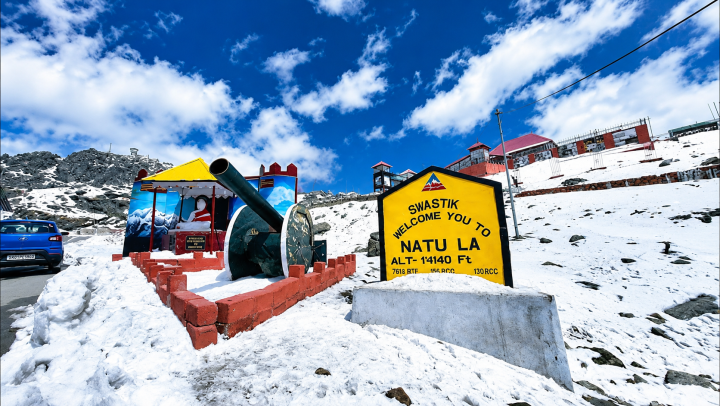
Lungthung is another popular location with amazing views across the Himalayas. From here, the path heads into Tukla, of historical interest in relation to the British expedition to Tibet in the early 20th century.
Travellers can also visit the Old Baba Mandir of Baba Harbhajan Singh. Another interesting stop is at Kupup, where you may visit the Kupup Lake and the famed Yak Golf Course at high altitude.
Note that some of these places are in a protected border region, and sightseeing is restricted by permit and route.
How to get to Zuluk, Sikkim
Planning on how to reach Zuluk, Sikkim? There is no airport or train station; thus, the main means to reach the village is by road. Most travellers first arrive at Gangtok, Siliguri, New Jalpaiguri, or Bagdogra and then continue on by road.
From Gangtok.
Zuluk is approx. 90 miles from Gangtok; however, the drive can take many hours due to the steep roads and pauses en route. The path often passes through Rongli and then climbs up to Zuluk.
From NJP or Bagdogra
The main access points for tourists coming from other areas of India are New Jalpaiguri Railway Station and Bagdogra Airport. From either of these places, you can go towards Gangtok or take a road towards Rongli and subsequently Zuluk.
Siliguri
Siliguri is another convenient spot from which road travel can be started. Depending on the road conditions, the trip can last several hours. In the mountains, it is easier to drive by daylight; thus, it is best to leave early.
Travel times can vary quite a bit due to weather, road conditions, traffic, and permission checks.
Zuluk Permits
Zuluk is located in a protected region close to the international border, and tourists cannot drive there without the proper licenses.
Indian travellers need to have a Protected Area Permit for the Old Silk Route circuit. Permits are normally secured through registered local travel operators, and travellers will need to present relevant identifying documents.
Check the latest permission requirements before going, as accessibility and laws may vary.
Where to stay in Zuluk Sikkim?
When you look for hotels in Zuluk Sikkim, you might be shocked that the lodging is very different from what you would find in Gangtok.
Zuluk features family-run homestays instead of big hotels or luxury hotels. These homestays offer a more authentic experience and allow tourists to interact with local families.
Rooms are often modest and cosy, with warm beds and limited amenities. Meals are generally included in the stay, with rice, dal, veggies, noodles, and other local or Indian dishes on offer.
If you’re travelling during peak times, it’s a good idea to make reservations in advance—especially if snowfall or clear alpine conditions bring out the crowds.
When to Visit Zuluk in Sikkim?
The best time to visit Zuluk, Sikkim depends on what kind of experience you are looking for.
March - May
Spring offers good weather, clearer mountain vistas, and a vibrant landscape. The weather is nice for sightseeing and taking photographs.
June-September
The monsoons can bring rain, fog, and hazardous road conditions. Landslides can also disrupt mountain routes, so tourists should check local conditions before arranging their trip.
The surrounding countryside is particularly green and bright with wildflowers in August and September.
October - November
These months provide some of the clearest Himalayan views. The skies tend to be clearer, making it a fantastic time for photography and sightseeing.
December – February
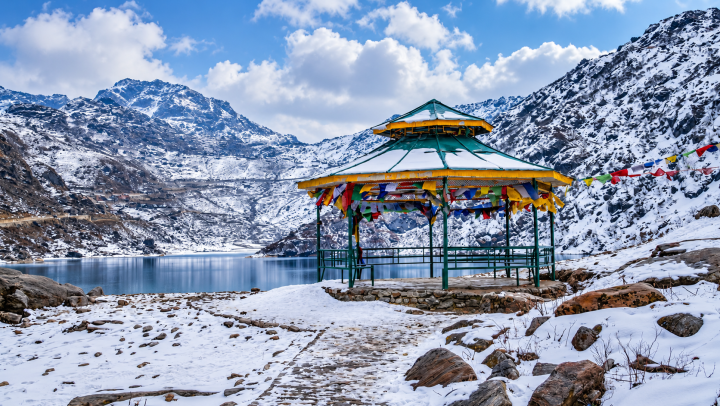
Winter turns the region into a snowy Himalayan scene. Zuluk may get rather cold, and snow might block road access. If seeing snow is your main goal, this season can be magical—but be flexible.
Things to Know Before Going to Zuluk
Zuluk is gorgeous, but it is not a place for people who want convenience as in a metropolis.
Banking facilities and ATM’s are limited; therefore, carry enough cash. Cell service might be spotty too, particularly when you get further up into the high-altitude locations.
Pack warm clothes no matter what the season is – especially if your itinerary involves Nathang Valley or other high-altitude places.
It is also good to have with you the necessary medicines and personal supplies, sunscreen and sunglasses, and comfy shoes. Some travellers may be challenged by altitude, cold weather, and tortuous routes.
If you are prone to altitude sickness, make sure you take the required precautions and don’t speed through high-altitude destinations.
A Journey Worth Taking
For the visitor who prefers to wake up to mountain peaks rather than city traffic, a trip to Zuluk in Sikkim is excellent. The region offers a refreshing respite from regular tourist circuits, from the ancient Silk Route and stunning hairpin curves to Thambi View Point, Nathang Valley and traditional homestays.
The trip may require long drives, twisty roads, and unpredictable mountainous conditions, but that’s all part of the adventure. Zuluk rewards those who walk slowly, take in the landscape, and experience the simple existence in a Himalayan community.
So bring your warmest jacket, charge your camera, and leave some room in your schedule for surprise fog, magnificent views, and perhaps a moment or two wondering how many more twists that road might have.
Zuluk is famous for its connection to the historic Old Silk Route, dramatic zigzag roads, peaceful mountain scenery and panoramic Himalayan views. It is particularly popular among nature lovers, photographers and travellers seeking an offbeat destination in East Sikkim.
Popular attractions around Zuluk include Thambi View Point, Lungthung, Tukla, Nathang Valley, Old Baba Mandir, Kupup Lake and Memenchu Lake. Access to certain locations depends on permits, weather and current route conditions.
Yes. Zuluk lies within a protected border region, so Indian travellers generally require a permit for the Old Silk Route circuit. Permits are usually arranged through registered local travel operators. Foreign nationals should verify current eligibility and route restrictions before planning their visit.
March to May and October to November are generally the best times to visit Zuluk for sightseeing and clear mountain views. Winter can offer snow-covered landscapes, but heavy snowfall may block roads. Monsoon travel can be affected by rain, fog and landslides.
Zuluk is accessible only by road. Travellers can begin their journey from Gangtok, Siliguri, NJP Railway Station or Bagdogra Airport and proceed through Rongli. Zuluk is approximately 90 kilometres from Gangtok, though travel time varies according to road, weather and permit-check conditions.
Accommodation in Zuluk mainly consists of family-run homestays and simple guesthouses. Rooms generally provide basic amenities, warm bedding and home-cooked meals. Luxury hotels are extremely limited, so booking in advance is advisable during peak travel and snowfall seasons.