- 1 West Sikkim at a Glance
- 2 Getting There: Do You Need to Go Through Gangtok?
- 3 The West Sikkim Vehicle Hierarchy
- 4 Permit Purgatory “Mostly Avoided”
- 5 Places to Visit and How Long They Actually Need
- 6 Pelling
- 7 Where to Sleep After All That Driving
- 8 Eating Your Way Through West Sikkim
- 9 When to Go
- 10 West Sikkim Tour Plan: Pick Your Adventure
- 11 Why Choose Tripjyada for West Sikkim?
West Sikkim is often referred to and also sold as “Peeling sightseeing”, a hotel, a skywalk, and nine rushed stops before lunch. That is like calling a library a room with shelves. The region contains Sikkim’s former capitals, sacred lakes, monasteries, forest walks, village stays, and the trailhead for Kanchenjunga National Park.
The challenge is not permission but an entire geography. Destinations like Pelling, Yuksom, Kecheopalri, Tashding, and Uttarey can look very close on a map, but when you combine them, you will find long loops and repeated roads. This guide will explain to you where to base yourself, the cost of transportation, and which places deserve more than a photo stop.
Note: “West Sikkim” is a familiar tourism term, and administratively, many core attractions fall within Gyalshing district, while Soreng has now become a separate district. This is the reason why current government pages and old tour itineraries can use different names for the same broad circuit.
West Sikkim at a Glance
Prices vary by season, vehicle, and route and are representative of 2026 planned ranges.
Getting There: Do You Need to Go Through Gangtok?
The answer is “No!” If you are a traveller who is visiting only West Sikkim, you can drive directly from NJP or Bagdogra to Pelling. Avoid going through Gangtok, which can add distance unless the capital is part of the trip.
The shared jeep that serves Gyalshing is more reliable than the hotel door in Pelling. From Gyalshing, use a short local connection to Pelling. Direct shared departures can be limited later in the day, so if you are traveling after lunch, you should pre-book or prepare to change vehicles at Jorethnag.
The Routing Detail Most Guides Miss
If you are planning to make Pelling your final stop, spend the previous night there, rather than in Gagtok, even before an NJP or Bagdogra departure. The return drive is long, and road delays can turn an optimistic same-day flight connection into an expensive lesson. Keep the last night in Siliguri if the flight or train is early.
The West Sikkim Vehicle Hierarchy
Unlike North Sikkim, regular West Sikkim sightseeing does not usually require a permit for heavy SUVs.
When comparing quotes, points shouldn’t be the only factor. Ask what attractions, entry fees, waiting time, and route are included. A ten-point tour might just divide five good stops into ten labels.
Which West Sikkim Trip Fits You?
Permit Purgatory “Mostly Avoided”
We talk about Indian citizens, they do not need to obtain any special permit for ordinary sightseeing in Pelling, Gyalshing, Yuksom, Khecheopalir, Tashiding, or Uttarey. So if you are an Indian citizen, all you need is to carry government-issued identification for hotels and routine checks.
If someone is a foreign national, they need an appropriate Restricted Area Permit to enter Sikkim. A separate PAP is not usually required for standard West Sikkim sightseeing, but when it comes to the routes inside Kachendzinga National Park, including the Dzongri/Goecha La axis, one needs to have an additional permit, a guide, and meet agency requirements.
Do not expect to arrive in Yuksom and arrange a multi-day protected trek like an ordinary day hike. If you are willing to trek in Yuksom, get a registered trekking operator, confirm forest/tourism permissions, guide, porter arrangements, equipment, insurance, and current trail rules before travel.
Places to Visit and How Long They Actually Need
Pelling
Think of Pellling as a strip of hotels up a narrow hillside, not a large walkable town. The advantage that it has is access to surrounding attractions and the Kachendzonga view. As room categories matter in this area, request a mountain-facing room in writing instead of assuming that every room will have the same outlook.
Pemayangtse Monastery and Rabdentse Ruins
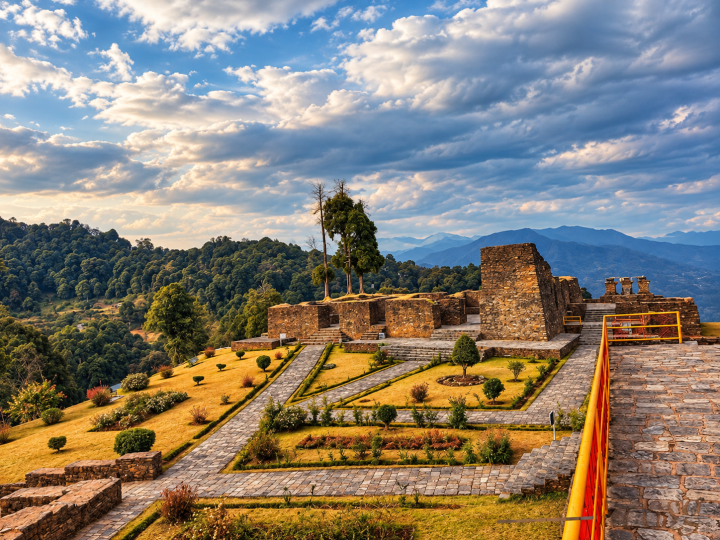
These are geographically and historically related. Pemayangtse is one of Sikkim’s oldest major monasteries, and on the other hand, Rabdentse, which is also the former royal capital, requires roughly a 30-minute walk from the entrance through a forested approach. It is advised not to consider these places as a roadside stop, especially if your group consist old age people.
As per the official district information that lists both attractions are generally open between 8 a.m. and 5 p.m.; timings and entry charges should be reconfirmed locally.
Sanga Choeling and the Skywalk
These two places are nestled above Pelling. If you reach the upper area, it involves slopes and steps, so travellers with mobility concerns should ask where the vehicle halts and how much walking remains.
Khecheopalri Lake
It is a sacred lake which is about 25 km away from Pelling. It is a place of worship, not a picnic lake, so you need to maintain silence, follow local rules, and not throw food pr objects here and there. Combine it with Rimbi and Kanchendzonga Falls rather than treating it as a separate quick dash.
Yuksom
Pelling is about 33 kilometres away from Yuksom, which is worth spending the night. It houses the Norbugang Coronation Throne and was the location of Sikkim's first Chogyal's coronation in 1642. It takes about 30 minutes to walk the steep uphill path to Dubdi Monastery. Dzongri and Goecha La treks begin at Yuksom.
Gyalshing
Gyalshing is the handy town that most Pelling guides ignore. There are shops, banks, a taxi terminus, local eateries, and a Sunday market. Stop here or stay when errands, cash, onward shared transport, or everyday local food trump resort views.
Tashiding
Tashiding Monastery is situated on a hill above the Rathong and Rangit rivers. It works best as a heritage or pilgrimage route with Yuksom, not squeezed into a crowded Pelling sightseeing day.
Dentam, Singshore Bridge, and Uttarey
Uttarey is around 35 km from Pelling via the Singshore Bridge and Dentam side. This is a great circuit for birders, walkers, and repeat visitors. Uttarey’s value is peace, and if you go there just to turn back after twenty minutes, you have defeated the purpose.
Where to Sleep After All That Driving
Check the room’s actual view, lift, stairs, heater charge, hot-water timing, and whether the taxi can get to the entrance before you book.
Eating Your Way Through West Sikkim
Pelling has Tibetan food, momos, thukpa, Nepali food, and common North Indian food, but the restaurant choices thin out late in the evening. Gyalshing is better for everyday local meals and supplies; Yuksom depends more on homestays and lodge kitchens.
There is plenty of vegetarian food. Specific requirements for Jain and vegan travelers should be communicated before arriving at Yuksom, Uttarey, or village stays. Ask if the soup stock, noodles, butter, and tea contain meat, egg, or dairy.
When to Go
While Khangchendzonga views are often better in October-November, no room category can promise clear weather.
West Sikkim Tour Plan: Pick Your Adventure
Option 1: Pelling Essentials [2 Nights/3 Days]
Option 2: Complete Pelling [3 Nights/4 Days]
Option 4: Quiet West [4 Nights/5 Days]
This Sikkim itinerary for 5 days mixes Pelling with Uttarey or Rinchenpong, Singshore Bridge, and Dentam, and suits returning tourists better than checklist travellers.
Why Choose Tripjyada for West Sikkim?
Although improper routing can waste full days, West Sikkim does not have the same permission difficulty as North Sikkim. Tripjyada can assist with:
Direct routing: Without needless detours, choose whether to enter from NJP, Gangtok, Darjeeling, or Ravangla.
The appropriate base: Assign the traveller to Upper Pelling, Gyalshing, Yuksom, or Uttarey.
Use a compact car when it is adequate and a high-end car when comfort is important.
Verify the hotel by looking at the actual room view, stairs, elevator, and car access.
Separate heritage, lake/waterfall, and village circuits rather than racing to ten points are examples of balanced sightseeing.
Coordination of the trek: Set up authorised guides and up-to-date permits for KNP routes that are protected.
Dietary planning: Jain, vegan, or other requirements are discussed in brief remote homestays.
No. Pelling is the main tourist base, while the wider circuit includes Gyalshing, Yuksom, Khecheopalri, Tashiding, Dentam, Uttarey, and other villages.
No special permit is required for ordinary West Sikkim sightseeing. Protected treks inside Khangchendzonga National Park require separate permissions.
Two nights cover the highlights. Three nights let you separate the heritage circuit from Khecheopalri and the waterfalls.
Yes. Gangtok is unnecessary unless it is part of your itinerary.
Choose Pelling for views and sightseeing access; choose Yuksom for history, village pace, and trekking.
Yes, with planning. Rabdentse, Dubdi, and the Skywalk Complex involve walking, slopes, or steps, so select attractions and hotels according to mobility.