- 1 East Sikkim at a Glance
- 2 Getting There: Does the Border Circuit Fit Into Day One?
- 3 The East Sikkim Vehicle Hierarchy
- 4 Which East Sikkim Trip Fits You?
- 5 Pemit Purgatory: This Time It’s Real
- 6 Places to Visit and How Long They Actually Need
- 7 Where to Sleep After All That Driving
- 8 Eating Your Way Through East Sikkim
- 9 When to Go
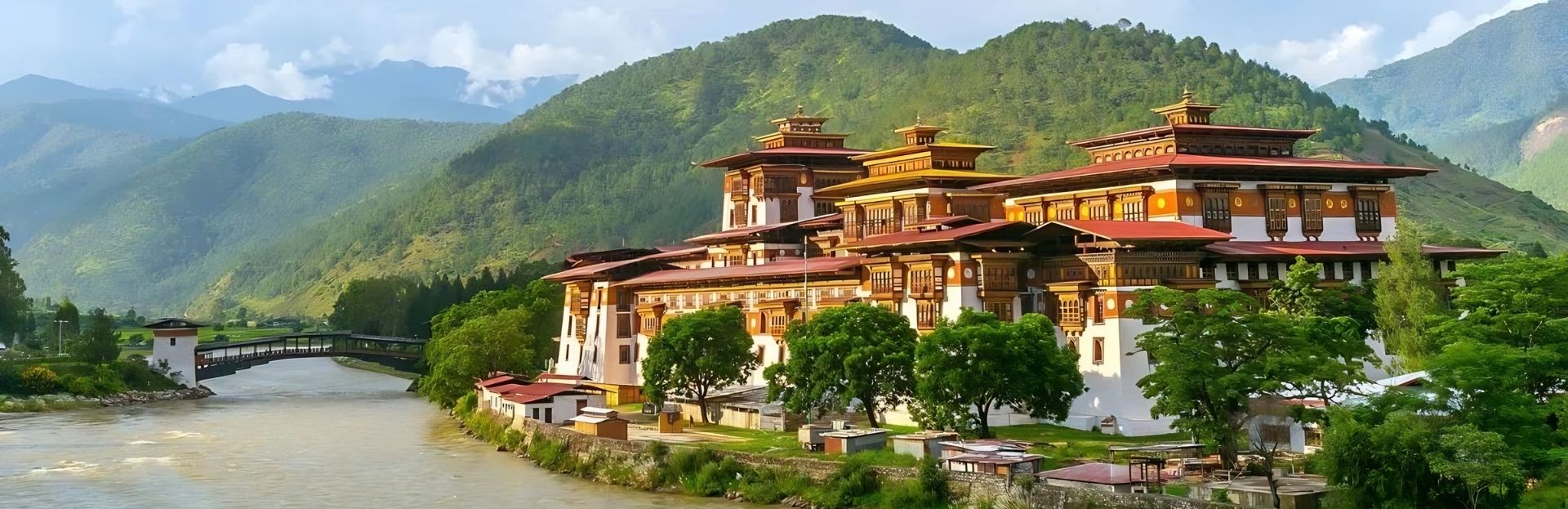
Most itineraries for several tourist destinations in Sikkim include East Sikkim, which is squeezed into a single loop from Gangtok, the ropeway, MG Marg, a handful of viewpoints, and, if luck favours, Nathula. What actually makes this beautiful district of Sikkim is that it is usually left out, which is worth more than a stopover. It consist foe beautiful monastery that houses one of Tibetan Buddhism’s most important seats, a lake that both Hindus and Buddhists consider sacred, and a stretch of the old trade route of Tibet that very few backpackers are able to visit.
What actually shapes the trip here is altitude rather than distance. Gangtok itself sits at a comfortable height, but Nathula climbs past 14,000 feet within a matter of hours. This place contains a border zone and operates with permits and army clearance. If you are planning a circuit, you need to know what each permit actually covers, how the climb changes the day, and which stops require a full day of their own instead of a rushed pass-through.
Note: The district map of Sikkim changed in 2021. The area that everyone calls “East Sikkim” was officially renamed Gangtok district, and a small portion of it, which includes Pakyong and stretches of the Old Silk Route, was carved out as its own separate district. The old brochures and a few government listings haven't caught up to it yet, which is why you will still be able to see both names used for what is, in practice, the same travel circuit.
East Sikkim at a Glance
The above table shows the working estimate for 2026, which includes actual fares based on the season, the vehicle you pick, and the exact route your driver takes.
Getting There: Does the Border Circuit Fit Into Day One?
There is no “Gangtok to” route around the way West Sikkim travellers skip it; you need to land at Bagdogra or NJP and head straight there, since it is the launchpad for everything else in the district. Plans actually go wrong when you try to squeeze Tsomgo or Nahtula into the arrival day. The Protected Areas permit needs to be requested a full day ahead through your agency, as the tour near the border area cannot happen on day one, no matter how early your flight lands.
Every morning, the shared vehicles move towards Tsomgo, and Nathula gathers near MG Marg and the 3rd Mile stand, and seats fill up quickly. It is better to book a private car a day ahead through a licensed operator, as it tends to hold up far better than trusting a seat that your hotel says it will arrange. If you are driving by yourself, there will be a little difference. Nothing can get past the Tsomgo checkpoint without a registered local vehicle carrying the right permit, so if you're bringing your own car from outside Sikkim, it will not help you at all.
The Routing Detail the Most Guides Miss
What rarely makes it into online write-ups mostly consists of Tsomgo, Nathula, and Zuluk, which are locked on a specific date and route, they can only be applied for a short excursion, and Nathula shuts on Mondays and Tuesdays without fail. Some weeks, even Fridays join the list, and no matter how many local contacts your driver has. Leaving a spare day to float in your plan rather than pinning the border excursion to one fixed date before you have even left your own home and have your tour operator confirm that week’s closure before anything gets booked.
The East Sikkim Vehicle Hierarchy
It is very easy to forget, since ordinary sightseeing around Gangtok needs no permit at all, that the border circuit and the old Silk Route both operate under much strict rule, including what types of vehicles are even allowed to reach them.
Going past Tsomgo Lake checkpoint and again Rongli on the way to Zuluk, only a local vehicle carrying the matching permit gets waved through. A nicer car or a more experienced driver changes nothing here, an outside vehicle or even a Gangtok taxi that’s missing that specific route permit gets turned back right there.
Before you accept any quote for the excursion in the border area, you need to ask outright whether it covers the fee, the wait at the checkpoint, and both Baba Mandir and Nathula, not just one of the two.
Which East Sikkim Trip Fits You?
Pemit Purgatory: This Time It’s Real
If you are doing sightseeing around Gangtok, all you will need is a valid photo ID. When you move to Runtek or Ranka, make sure to inform them at hotels and the occasional checkpoints, the way you would anywhere in Sikkim.
The border is operated under many different rules. Places like Tsomgo Lake, Baba Mandir, Nathula, and the Old Silk Route villages around Zuluk, all this falls under the Protected Areas close to the international border, so every visitor, let it be any indian or foreign, needs a Protected Area Permit (PAP) to gain access. These permits are not allowed to be transferred between destinations. One of them covers Tsomgo Lake, but won’t get you into Nathula, and a date once used cannot be recycled for another trip. Your travel agency will file the application a day before departure, using ID copies and a couple of passport photographs.
Even a verified permit doesn’t guarantee entry: Nathula is closed to all on certain days most weeks, usually Monday and Tuesday, sometimes Friday, and the army can shut it at short notice due to snow, fog or operational reasons. Any individual date on this route should be considered tentative, not firm.
One more thing to know before you plan: no one takes their own vehicle or a vehicle hired from outside the state beyond the Tsomgo checkpoint. From there onward - to Nathula or into the Zuluk loops beyond Rongli - it has to be a locally registered car with the concerned permit.
Places to Visit and How Long They Actually Need
Gangtok
The capital of Sikkim, built along a ridge, centers on the MG Marg, a car-free promenade of cafes and shops that runs through the city’s social hub every evening. As every other outing in this guide launches from here, an entire day before moving towards the border or to Rumtek should be given solely to this place.
Tsomgo Lake, Baba Mandir, and Nathula Pass
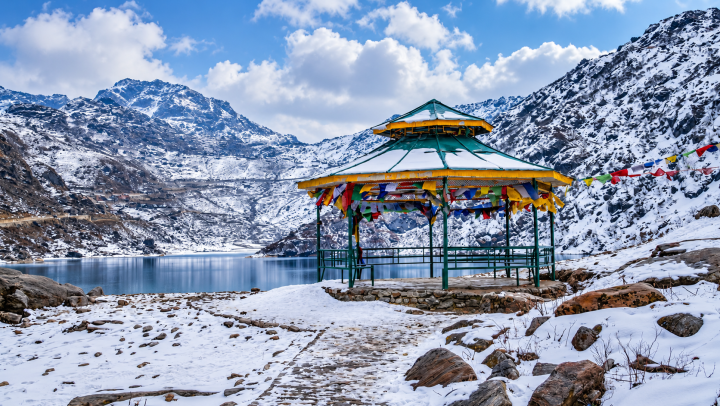
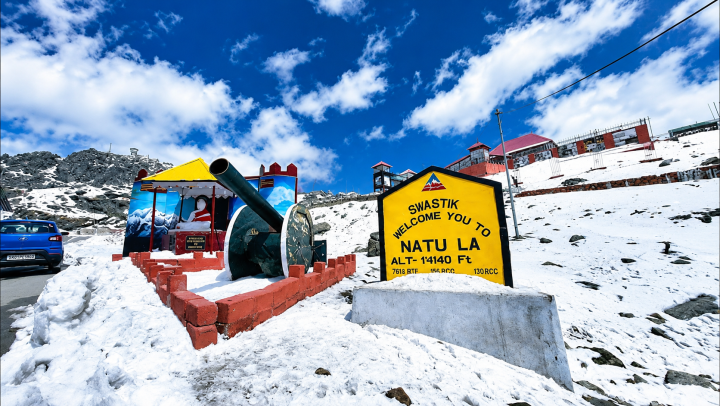
All three are on one continuous climb and are usually covered in one long outing rather than two. Tsomgo or Changu Lake is a glacial lake about 40 km (90 minutes) from Gangtok. It freezes from December to February and is sacred to Buddhists and Hindus. Baba Mandir, a shrine to soldier Harbhajan Singh, is down the road. Nathula, 14,140 feet high and 56 km away on the China border, is usually visited first as conditions change faster there than at the lake. Many drivers wait for the drive down to stop at the lake. Bring warm clothes year-round, travel carefully at altitude, and expect 20-30 minutes at the barrier.
Rumtek Monastery
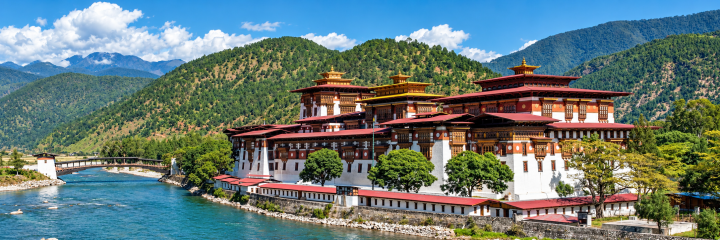
Rumtek, about 23-24 km out, an hour’s drive or so, is the Karmapa’s seat-in-exile and the largest monastery in Sikkim, rebuilt after the 16th Karmapa made this his home after fleeing Tibet in 1959. The main hall is a short walk uphill from the parking area. It deserves two unhurried hours instead of a quick photo stop and pairs nicely with Ranka if you have half a day free.
Ranka (Lingdum) Monastery and Ban Jhakri Falls
About 20 km from town, Ranka Monastery feels newer and calmer than Rumtek and is home to a community of young monk-students. Ban Jhakri Falls, a maintained waterfall park on the same route, is better as a brief detour than a planned stop – an hour comfortably covers it.
The Old Silk Route: Zuluk, Thambi View Point, and Aritar
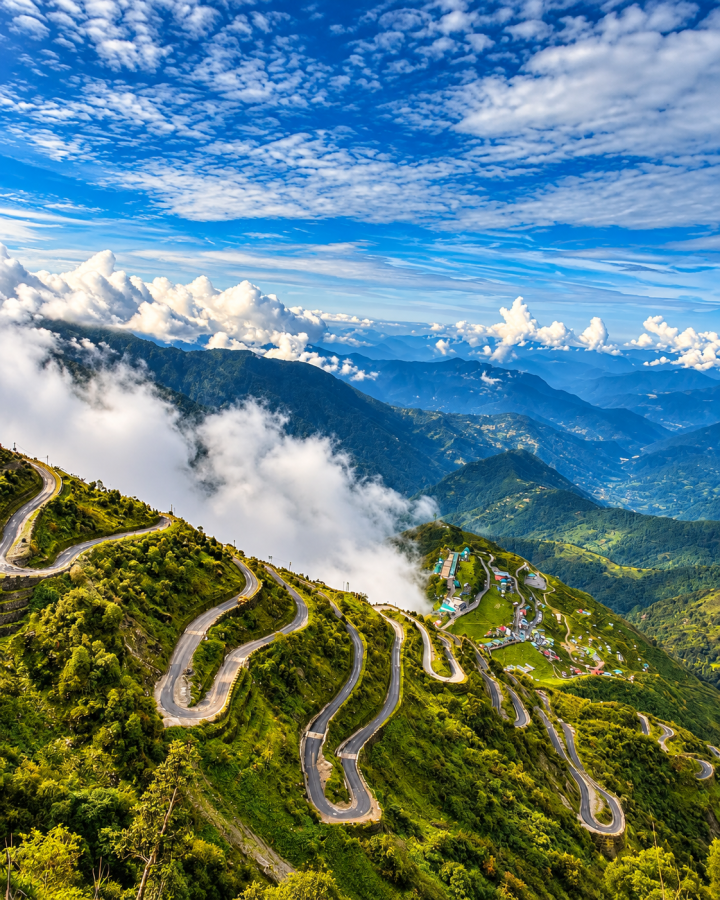
Rongli is the gateway to Zuluk, which is 4-5 hours away and about 100 km along the old Tibet trade route, famous for its stacked switchback turns. Thambi View Point, Kupup (also called Elephant Lake), Menmecho Lake, and the high Gnathang Valley are all on the same loop. None of this is good for a day trip; plan to stay overnight. A same-day dash to Zuluk and back hardly justifies the permit it takes to get there. Aritar, a brief detour off the main loop some 65-70 km from Gangtok, is a milder overnight option, with its own boating lake, Lampokhari, and a nearby colonial dak bungalow.
Gangtok's In-Town Sights
A short distance from MG Marg, say within a radius of 10 km, is Enchey Monastery, Do Drul Chorten, Namgyal Institute of Tibetology, Hanuman Tok, Ganesh Tok, Tashi View Point, the cable car, and the Himalayan Zoological Park – enough to fill half a day or a full day, and none of it requires a permit.
Where to Sleep After All That Driving
Gangtok simply has more hotel inventory, at higher prices, than a smaller base like Pelling. It is the state capital, by the way. Before booking, confirm what the room actually offers, whether the lift actually works, how dependable the hot water is, and whether a taxi can reach the door of the hotel or not.
Eating Your Way Through East Sikkim
Gangtok runs the broadest food scene anywhere in Sikkim, Tibetan and Nepali staples, momos and thukpa on every corner, familiar North Indian menus, and a steadily expanding café and bakery culture along MG Marg. Once you're out at Rumtek or along the Silk Route, choices narrow fast, and most meals come from whatever the homestay or lodge kitchen has planned that day.
You’ll never go hungry for vegetarian food in Gangtok. If you want Jain or vegan food at Rumtek, Aritar, or a Zuluk homestay, let them know before you arrive – those kitchens tend to cook to a fixed plan, rather than to order.
When to Go
No matter how good the month looks on paper, neither your agency nor your hotel can guarantee that the army will keep Nathula open on the day you’ve picked; always keep a second date up your sleeve.
Pick Your East Sikkim Adventure
Option 1: Gangtok Essentials [2 Nights/3 Days]
Option 2: Complete East Sikkim [3 Nights/4 Days]
Option 3: Old Silk Route Extension [4 Nights/5 Days]
Apply a Gangtok-Zuluk-Aritar loop via Rongli to the previously mentioned Complete East Sikkim design. It is significantly more appropriate for tourists who have already completed a typical Gangtok vacation than for first-timers.
Why Choose Tripjyada for East Sikkim?
This is where Tripjyada truly makes a living because both the border circuit and the Old Silk Route depend more on paperwork than on the state of the roads:
Managing permits involves submitting for Tsomgo Lake, Nathula, and Zuluk one day in advance and adjusting the schedule to accommodate closures without causing you to miss any travel days.
Choosing your base: Aritar, Rumtek, or central Gangtok, depending on the purpose of the trip.
Matching the car: a permit-eligible vehicle for the Silk Route or the border run, or something small for town.
Before the Nathula day is set, flagging altitude danger should be done for children, the elderly, and anyone with respiratory issues.
Before making any reservations, thoroughly inspect the hotel, including the actual view, the functioning elevator, and the actual proximity of a cab.
Keeping the border circuit, the monastery run, and the in-town day apart rather than cramming them all onto one date is known as "spacing out" sightseeing.
Sorting dietary requirements: Let Rumtek, Aritar, and Zuluk chefs know if you're Jain, vegan, or not well in advance.
Not precisely. The larger circuit extends to Rumtek, Ranka, Tsomgo Lake, Nathula, and the Old Silk Route settlements surrounding Zuluk and Aritar, the latter two of which are now officially part of Pakyong district. Gangtok is the primary base and, since the 2021 reorganisation, the capital of Gangtok district.
They do. In contrast to Gangtok or Rumtek, which require no permit at all, both require a Protected Area Permit, which your travel operator usually arranges approximately a day in advance.
Both are exclusive to Indian citizens; hence, foreigners are unable to. Before making a reservation, it's advisable to check the current regulations with your agency. Tsomgo Lake is typically still accessible to international guests with a separate permit.
It is, and instead of being divided into two shorter days, it is usually better to approach it as one long day. Just keep in mind that Nathula closes on certain days each week, so before you commit to anything, be sure the date you have in mind is actually available.
Gangtok serves as the starting point for the entire trip; only spend a night in Zuluk or Aritar if you truly want to follow the Old Silk Route, as it requires a separate permit and a lengthy journey out of town.
Generally speaking, yes, but with some consideration. The in-town attractions in Gangtok are manageable, but before deciding on an itinerary, consider your comfort level in relation to the altitude at Nathula and the uphill portion at Rumtek.